


Тел.
:+86 - 17718123415
Электронная почта
:info@sailsolaress.com
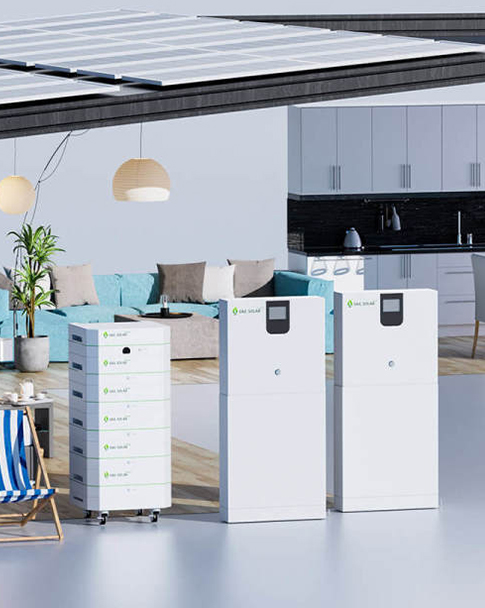
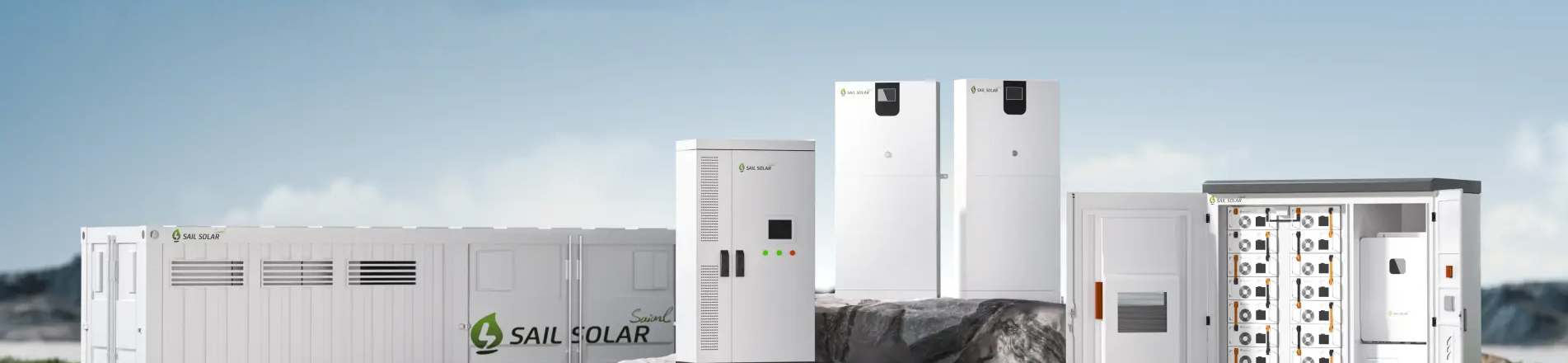
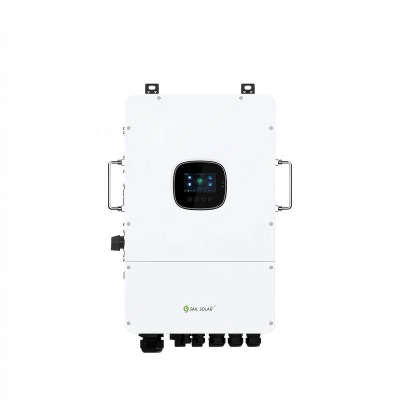
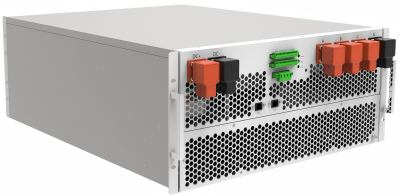
Основная связь между системами преобразования энергии (PCS) и гибридными инверторами (Hybrid Inverter) заключается в их технической общности. Однако существенные различия заключаются в функциональном позиционировании, сценариях применения и адаптации к производительности. Гибридные инверторы Их можно рассматривать как миниатюрные и высокоинтегрированные производные продукты PCS, разработанные специально для сценариев бытового хранения фотоэлектрической энергии. В отличие от них, PCS — это профессиональное базовое устройство с комплексными возможностями преобразования энергии и управления системой, лучше подходящее для технических требований средних и крупных проектов по хранению энергии.
 |  |
| Гибридный инвертор | ПКС |
Оба устройства используют технологию двунаправленных инверторов для преобразования постоянного и переменного тока в оба режима, и оба обладают базовыми функциями, такими как управление зарядкой и разрядкой батарей, питание нагрузки и взаимодействие с сетью. Однако они существенно различаются по функциональной глубине, структурной сложности и масштабу применения.
С точки зрения функционального охвата, PCS позиционируется как «энергетический центр» системы хранения энергии, обладая глубиной и широтой функционального спектра, значительно превосходящими возможности гибридных инверторов: Помимо базового двунаправленного преобразования энергии, PCS также обладает комплексными возможностями поддержки сети, обеспечивая расширенные функции взаимодействия с сетью, такие как регулирование частоты, управление напряжением и компенсация реактивной мощности. Он поддерживает бесперебойное переключение между микросетями и автономными системами и может удовлетворить потребности в расширении крупномасштабных систем хранения энергии за счет параллельной технологии нескольких блоков. В то же время PCS должен тесно взаимодействовать с EMS (системой управления энергией) для выполнения сложных операций, таких как интеллектуальное планирование и оптимизация стратегии зарядки/разрядки. Он также должен быть оснащен комплексными механизмами защиты, такими как защита от перенапряжения, перегрузки по току, перегрева и автономной работы, чтобы обеспечить стабильную работу системы в сложных условиях. В отличие от них, гибридные инверторы больше ориентированы на основные потребности бытового применения, с отслеживанием точки максимальной мощности (MPPT) фотоэлектрических систем в качестве одной из своих основных функций. Они интегрируют базовую технологию двунаправленного инвертора, управление зарядом/разрядом батареи, питание нагрузки и возможности переключения между подключением к сети и автономной работой. Оснащенные лишь базовыми модулями управления батареями (такими как мониторинг уровня заряда и контроль пороговых значений заряда/разряда), они могут удовлетворять основные потребности в управлении энергией, такие как арбитраж цен на электроэнергию в пиковые и спадовые периоды и аварийное электроснабжение, без необходимости сложной поддержки сети и возможностей координации системы.
С точки зрения структуры и сложности, основная конструкция PCS ориентирована на модульность и масштабируемость. Она, как правило, состоит из независимых блоков, таких как двунаправленный инверторный модуль, основной блок управления, интерфейс BMS (система управления батареей), коммуникационный модуль EMS и фильтрующие цепи, что позволяет гибко расширять и настраивать систему в зависимости от масштаба проекта. Гибридные инверторы, с другой стороны, разработаны с учетом высокой степени интеграции, объединяя основные компоненты, такие как фотоэлектрический контроллер, двунаправленный инвертор, блок управления зарядкой и цепи защиты, в одном устройстве. Они отличаются компактными размерами и простотой установки, не требуя сложной отладки на системном уровне, что делает их более подходящими для использования в жилых и маломасштабных проектах.
Что касается сценариев применения, то системы хранения энергии на основе фотоэлектрических преобразователей (PCS) в основном ориентированы на средние и крупные масштабы, такие как коммерческое и промышленное хранение энергии, хранение энергии в сети, проекты микросетей, крупные фотоэлектрические электростанции и автономные системы генерации электроэнергии на островах/в отдаленных районах. Их номинальная мощность обычно составляет от десятков кВт до МВт, что соответствует высоковольтным аккумуляторным батареям с напряжением от сотен до тысяч В (обычно 300–1500 В). Они обеспечивают более высокую точность управления, поддерживая различные гибкие режимы управления, такие как постоянная мощность, постоянное напряжение и постоянный ток, с КПД более 97% (основной уровень для крупных систем PCS). Гибридные инверторы, с другой стороны, ориентированы на бытовые фотоэлектрические системы хранения энергии, маломасштабные коммерческие фотоэлектрические системы хранения энергии, аварийное резервное электроснабжение домов и автономные фотоэлектрические системы в сельской местности. Их выходная мощность в основном сосредоточена в диапазоне от нескольких киловатт до десятков киловатт, что позволяет использовать их с низковольтными или средневольтными аккумуляторными батареями, такими как 48 В/120 В/240 В. Благодаря точности отслеживания точки максимальной мощности (MPPT) фотоэлектрических элементов, их КПД обычно поддерживается в диапазоне от 95% до 97%, что подчеркивает баланс между интеграцией оборудования, простотой установки и контролем затрат.
Вкратце, основные различия между инверторами PCS и гибридными инверторами заключаются в их функциональной глубине и позиционировании в сценариях применения: PCS ориентированы на взаимодействие с сетью и диспетчеризацию системы, стремясь к высокой производительности, масштабируемости и комплексной поддержке сети; гибридные инверторы отдают приоритет использованию фотоэлектрической энергии и локальному электроснабжению нагрузки, стремясь к высокой интеграции, удобству развертывания и базовым возможностям управления энергией. При фактическом выборе необходимо принимать всестороннее решение, основываясь на таких ключевых факторах, как масштаб проекта, функциональные требования, уровень напряжения и бюджет, чтобы обеспечить точное соответствие оборудования сценарию применения и максимизировать эффективность системы.
 Поддерживается сеть IPv6
Оставить сообщение
Сканировать в Wechat :

Сканировать в WhatsApp :